Oscar
Nurse, Zomba Hospital, Malawi
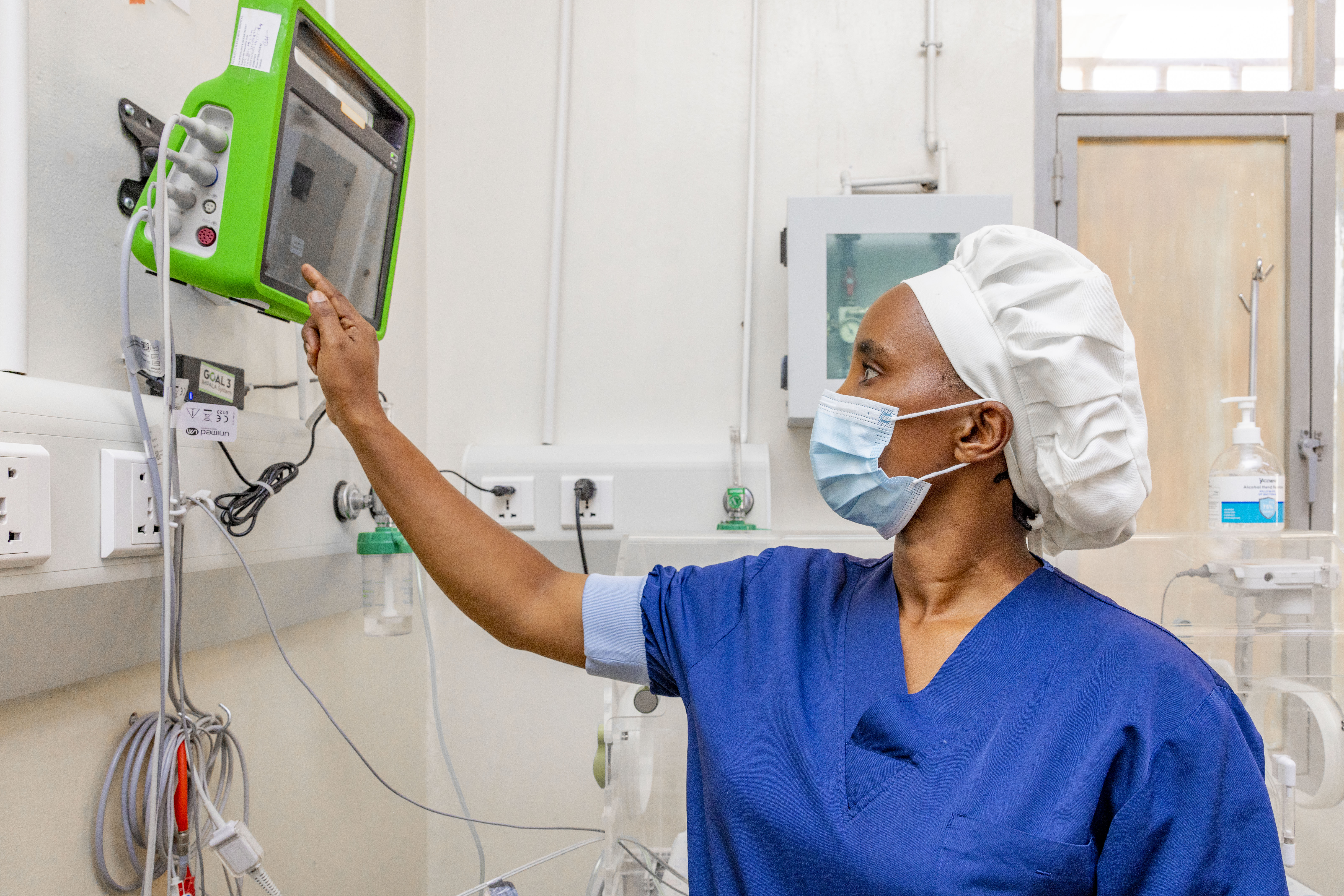
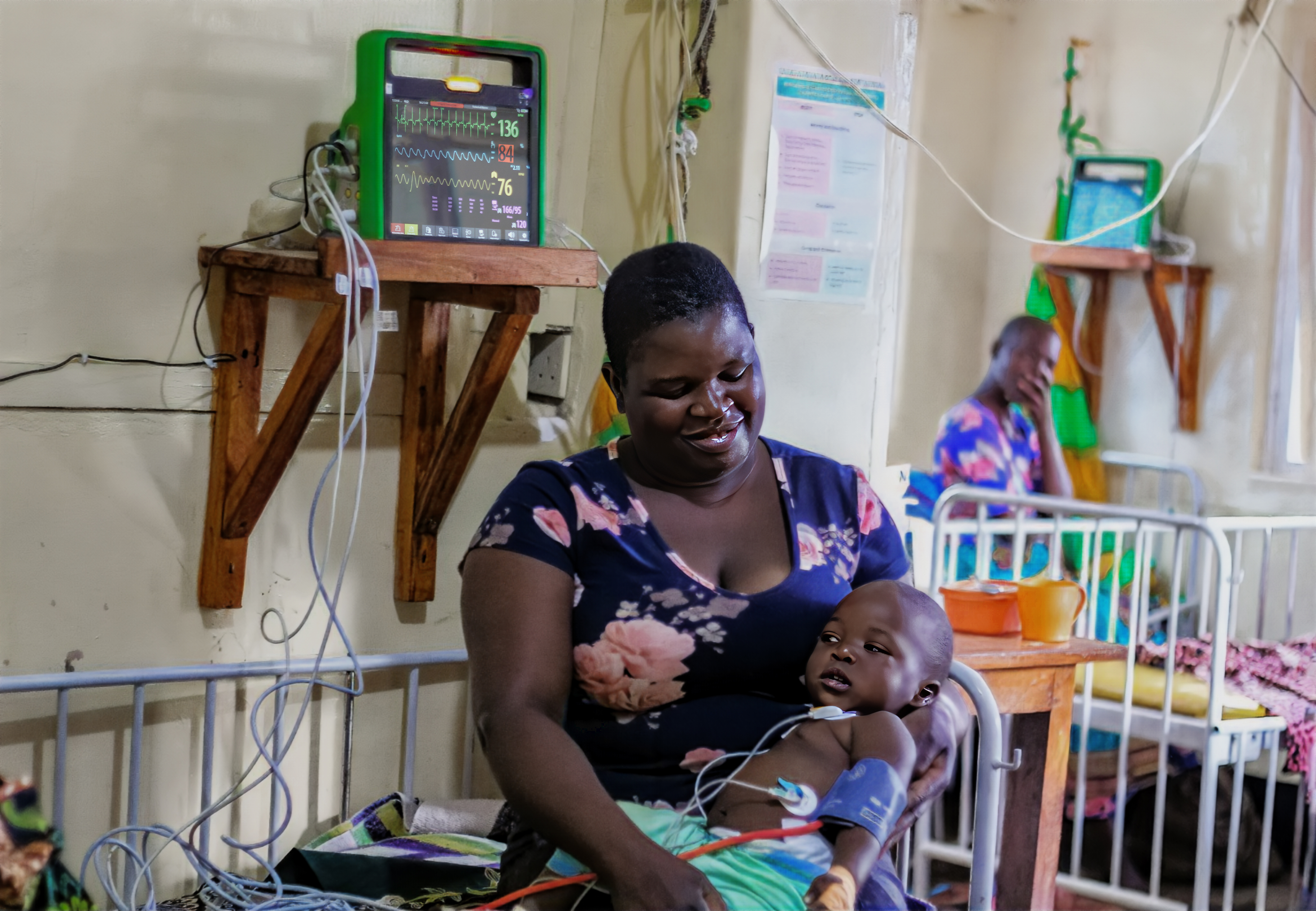
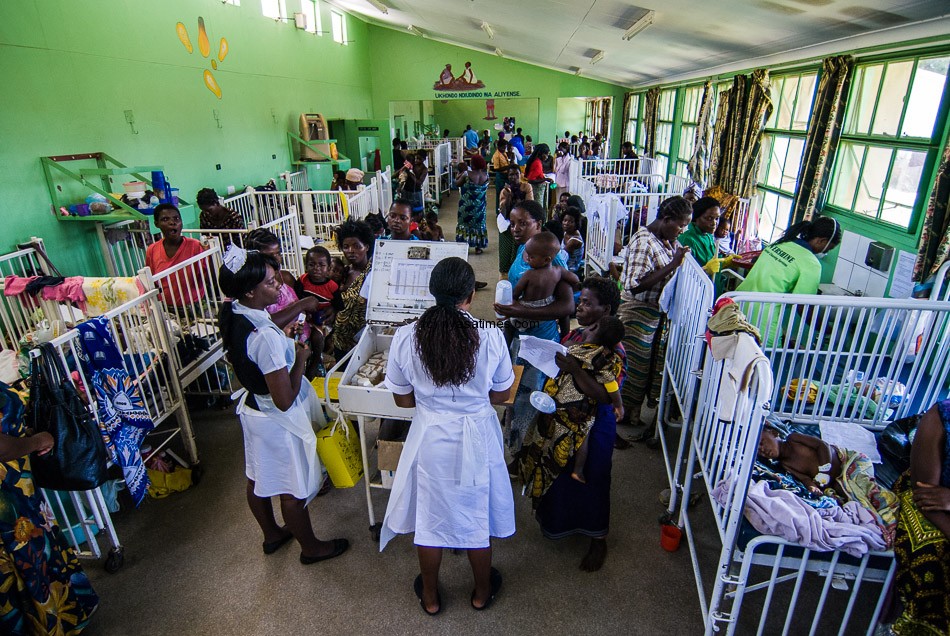
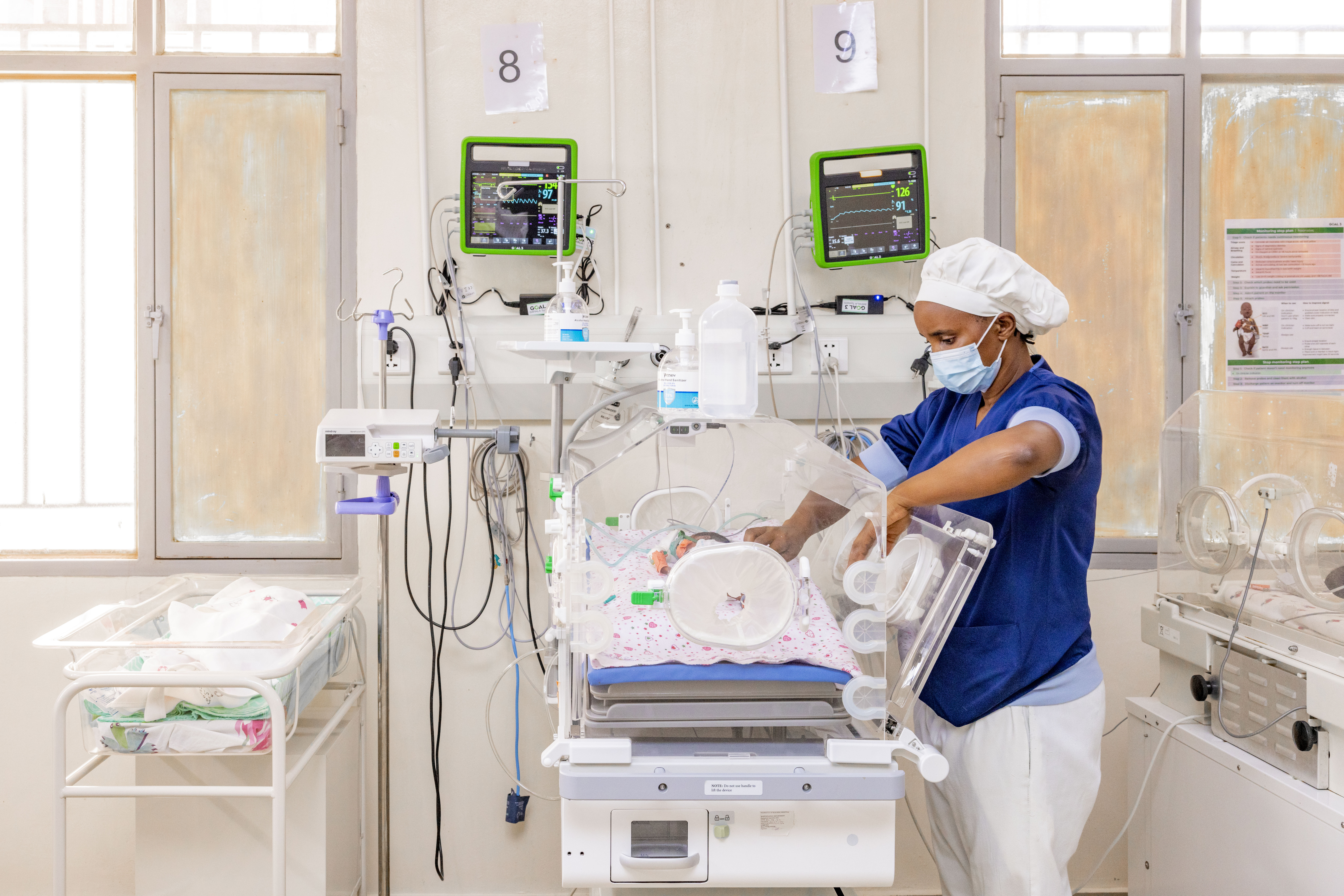
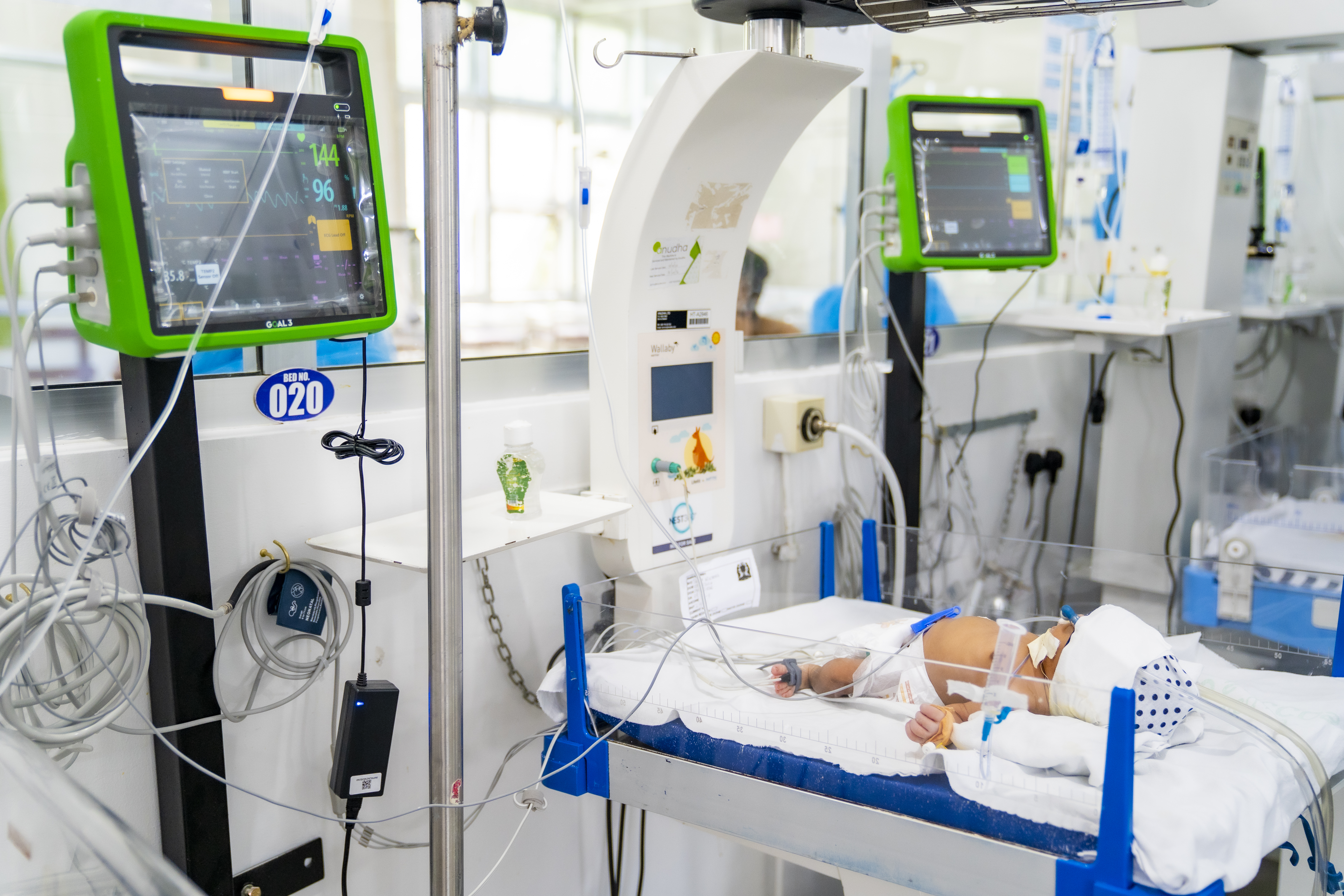
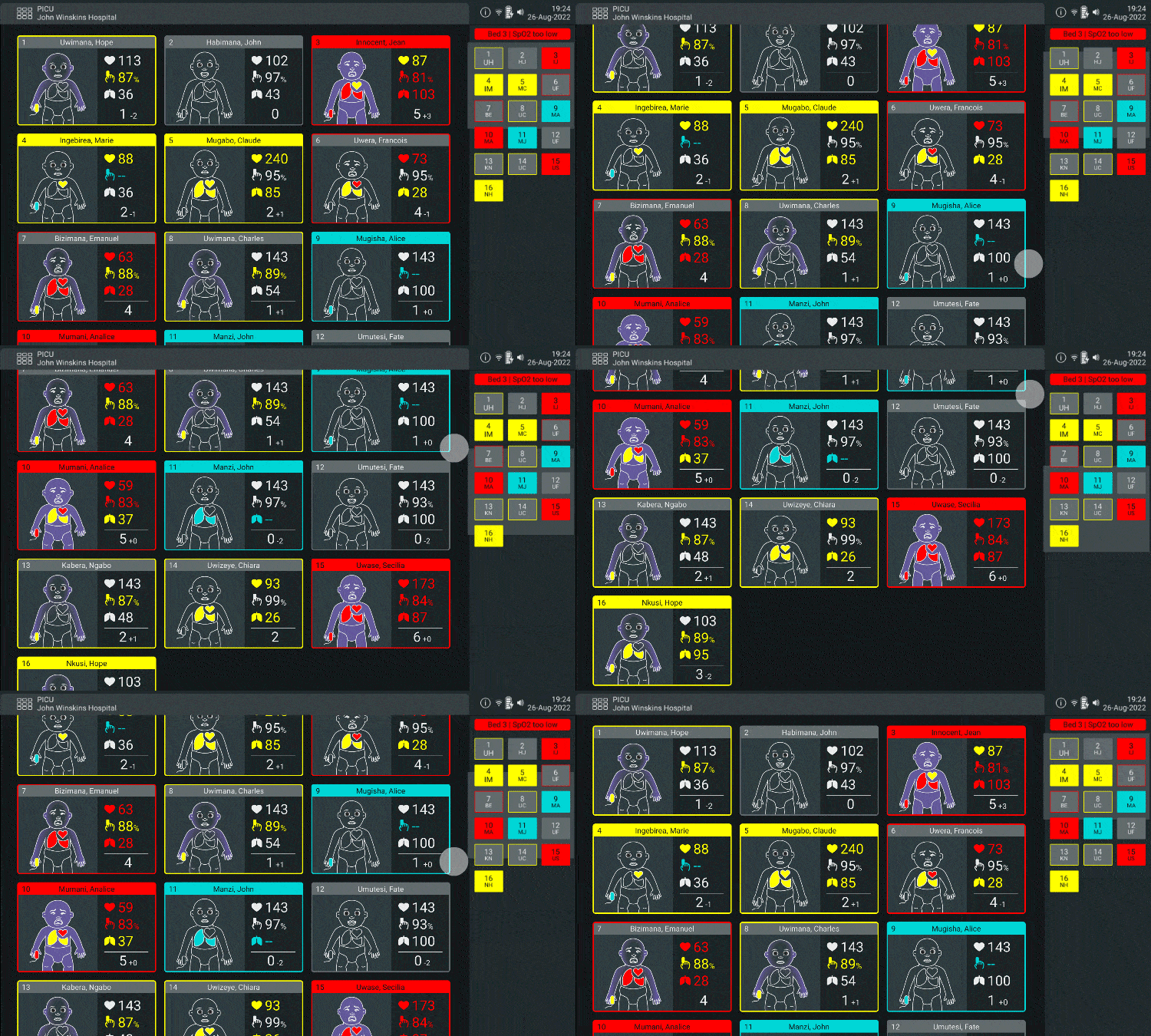
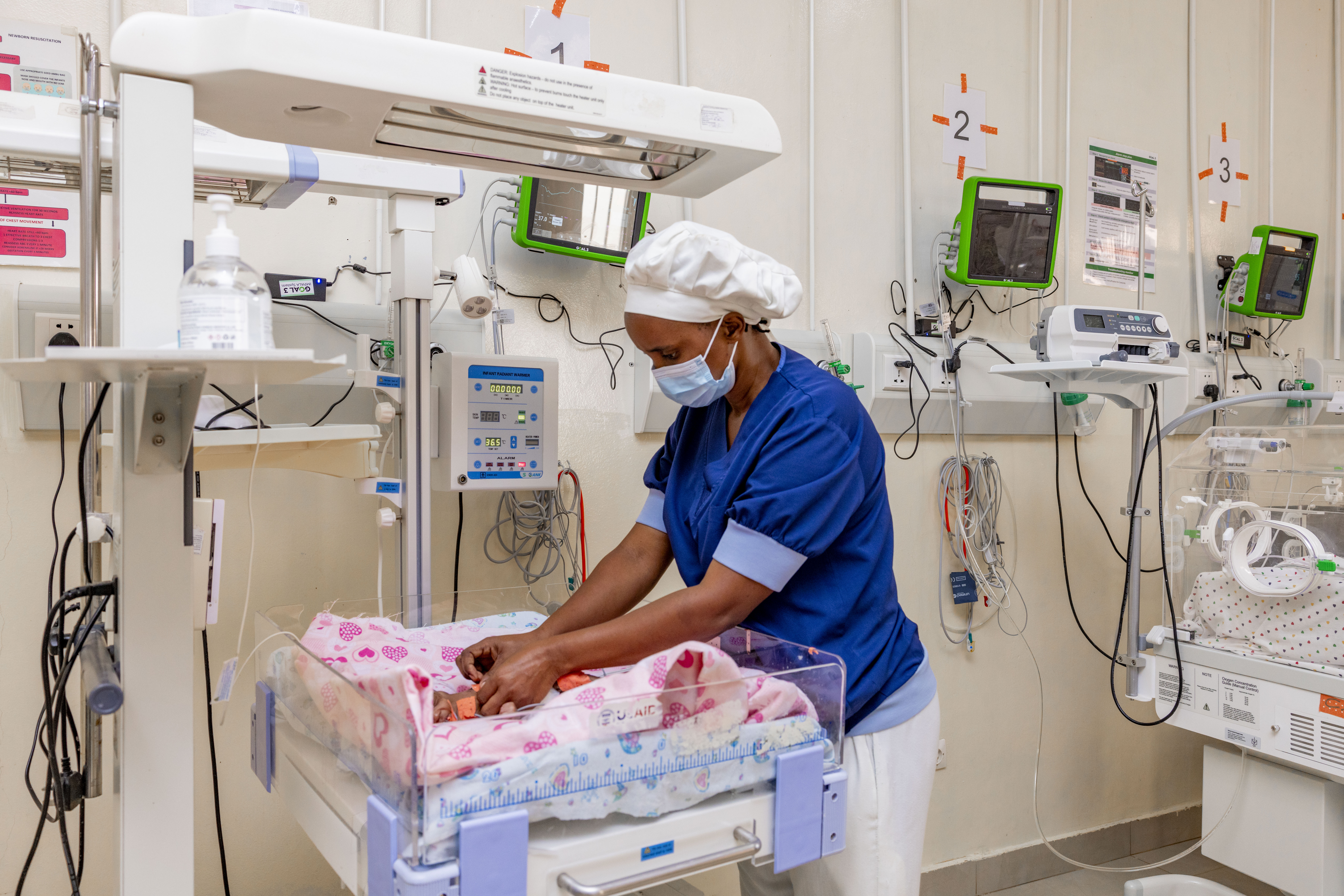
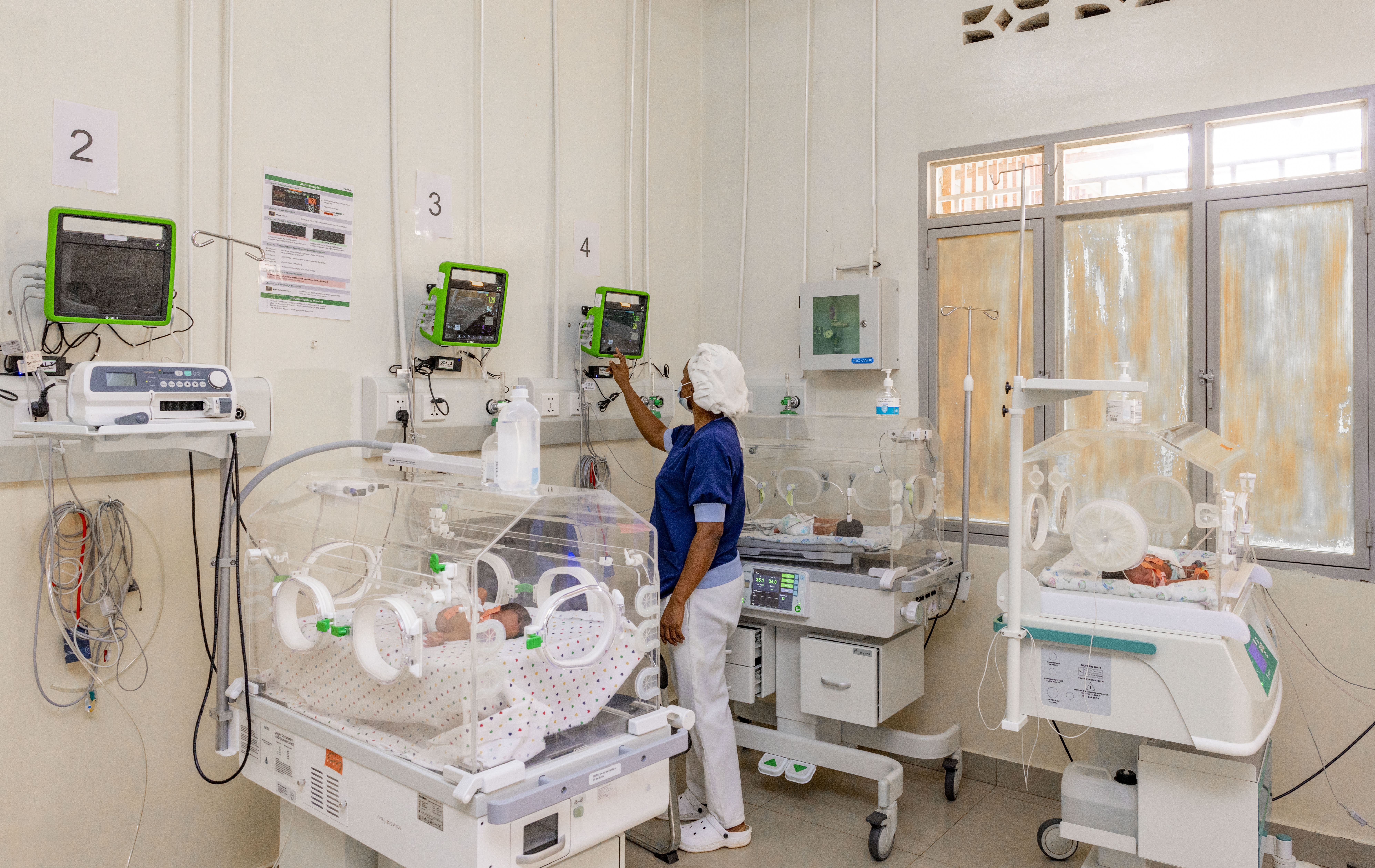
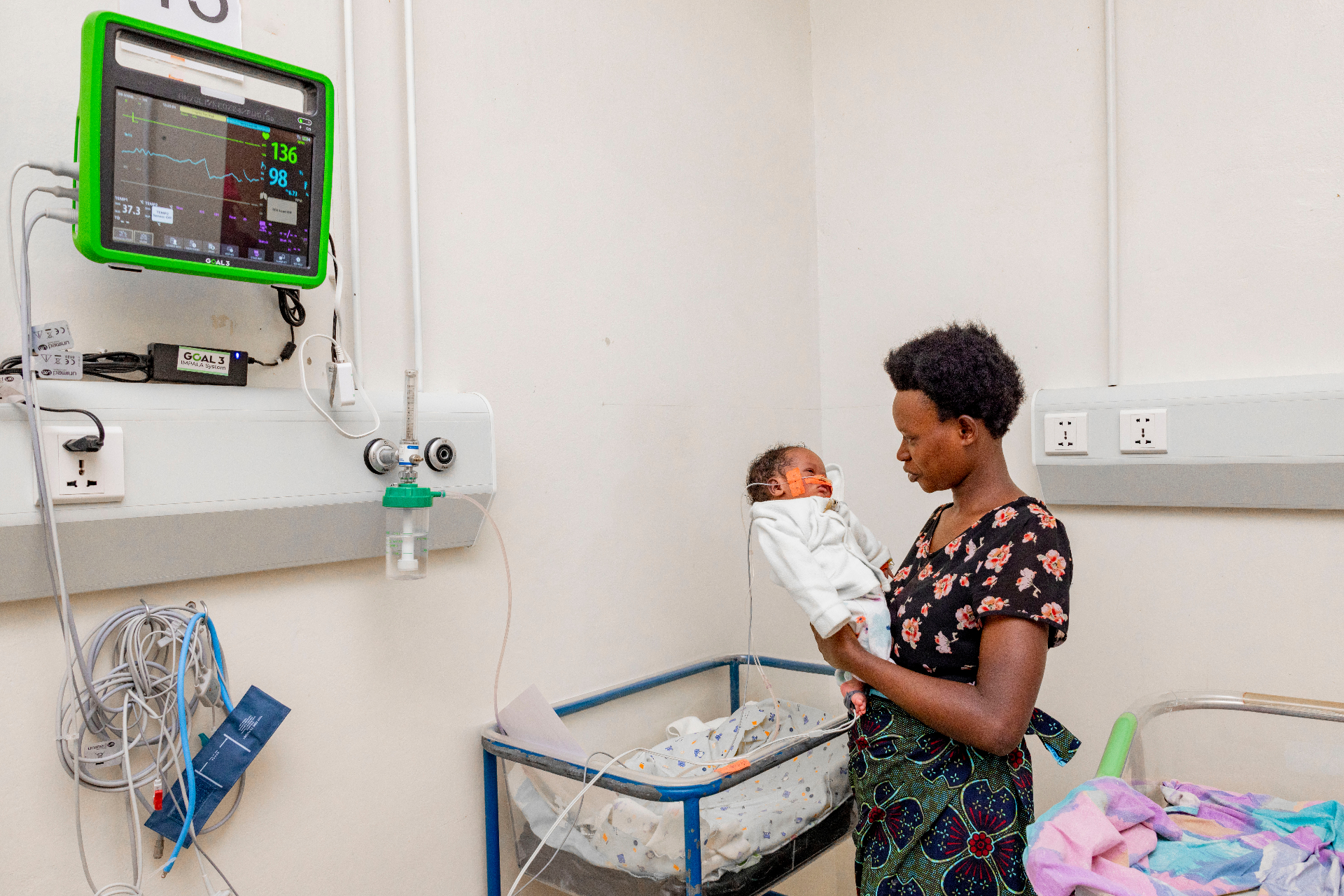
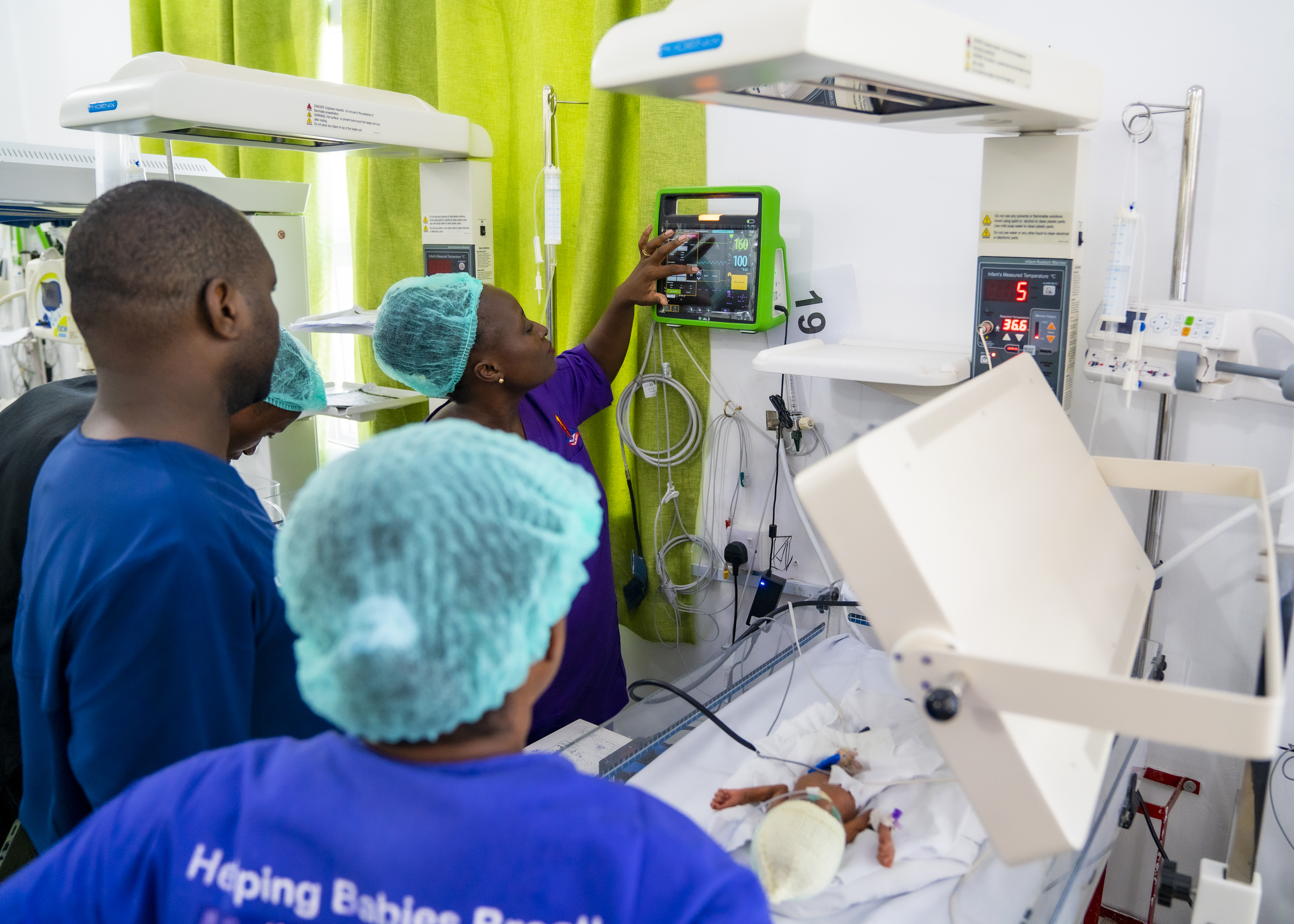
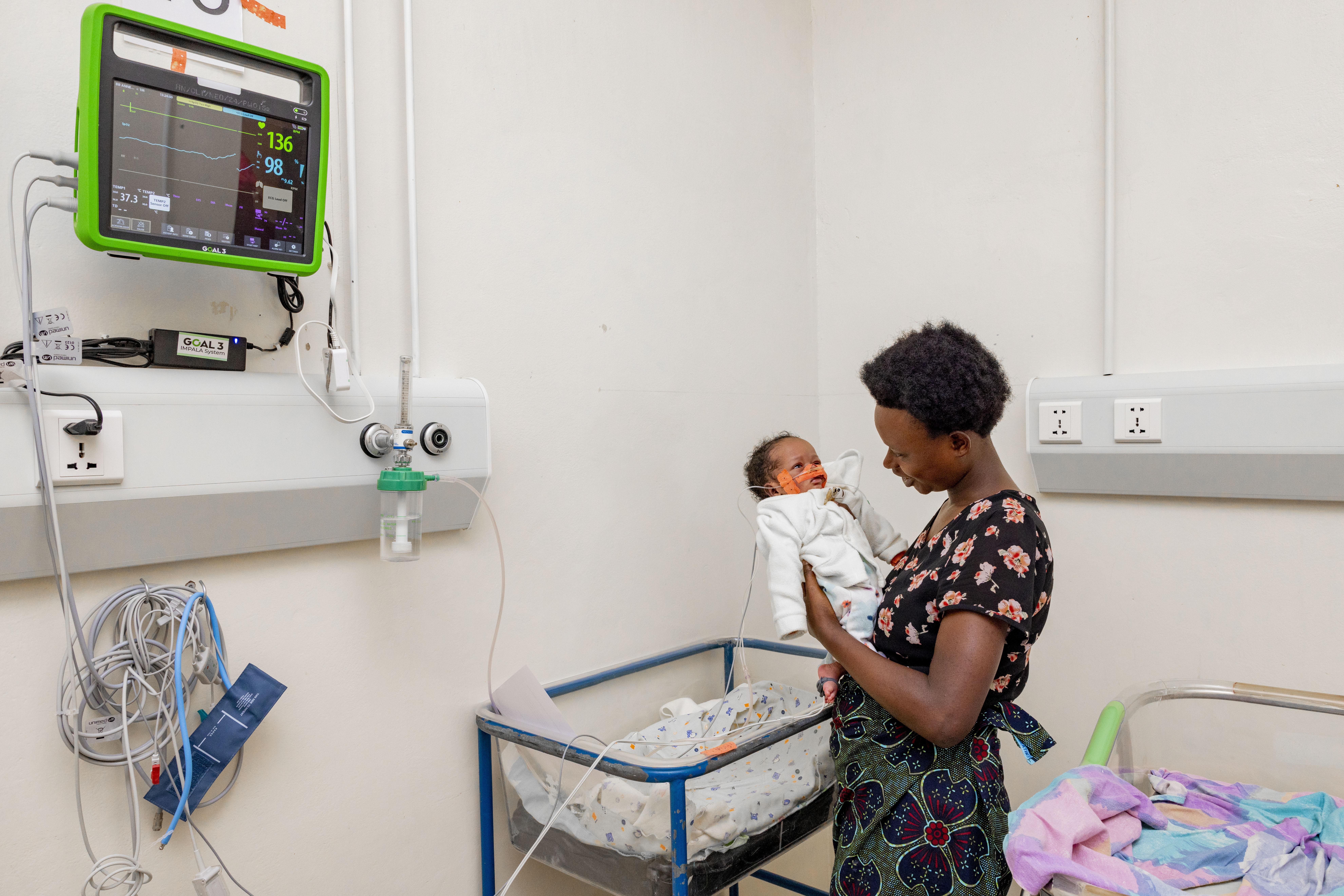
While on duty in the Pediatric Ward, we received a 3-year-old child presenting with a Blantyre Coma Score of 3/5. The child had been treated for hypoglycemia and was diagnosed with severe malaria. Upon admission, the patient was transferred to the High Dependency Unit (HDU) for continuous monitoring using the IMPALA system.
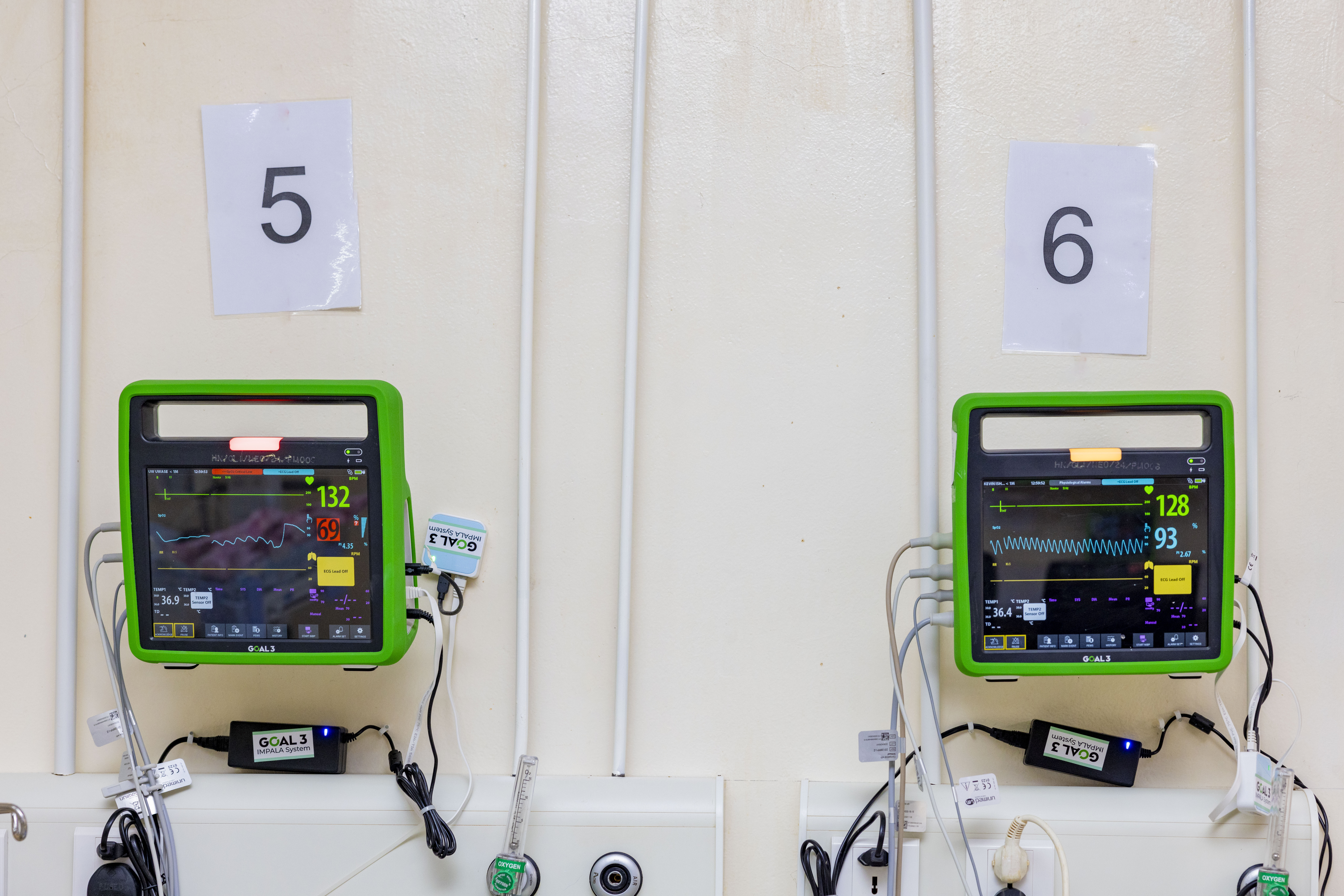
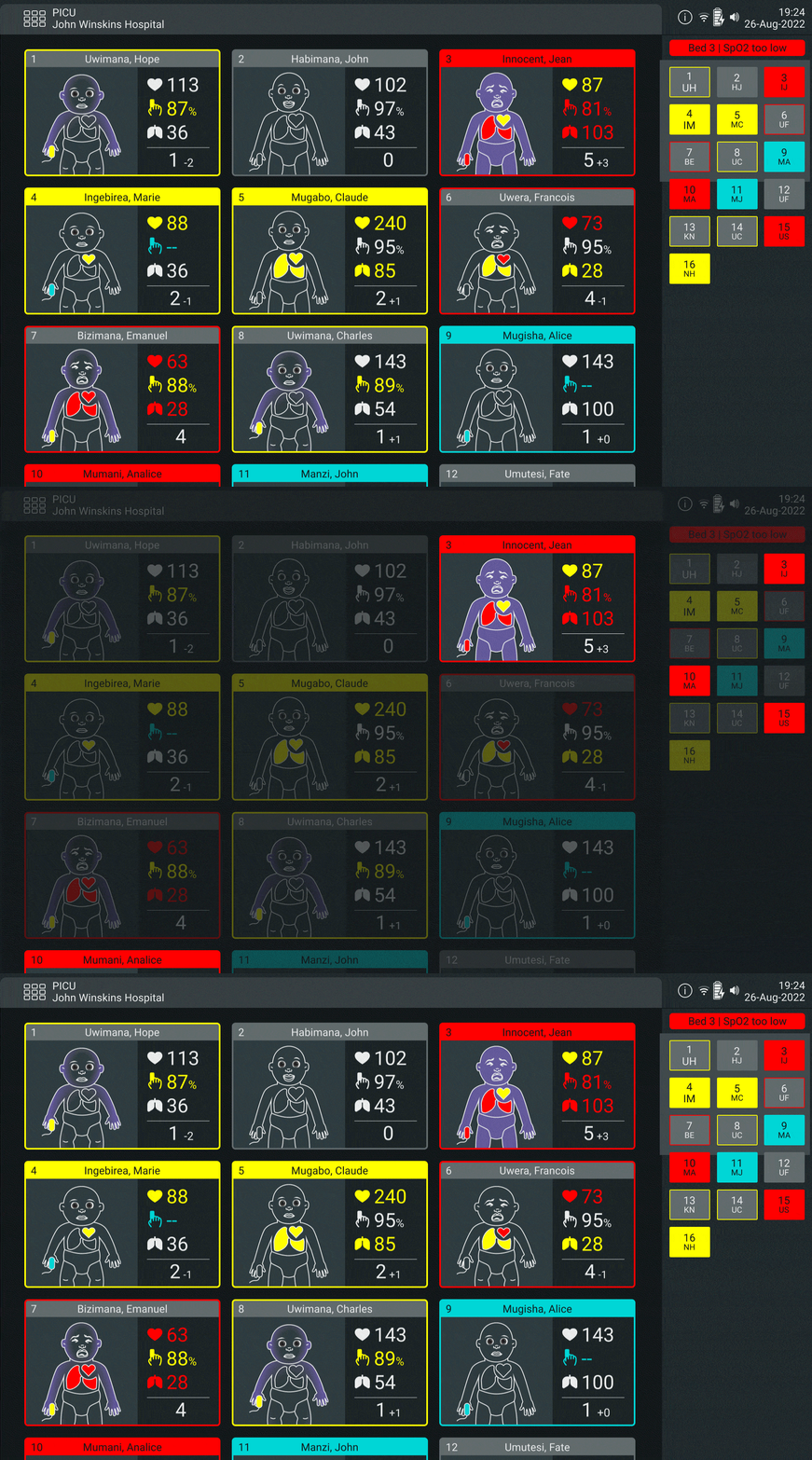
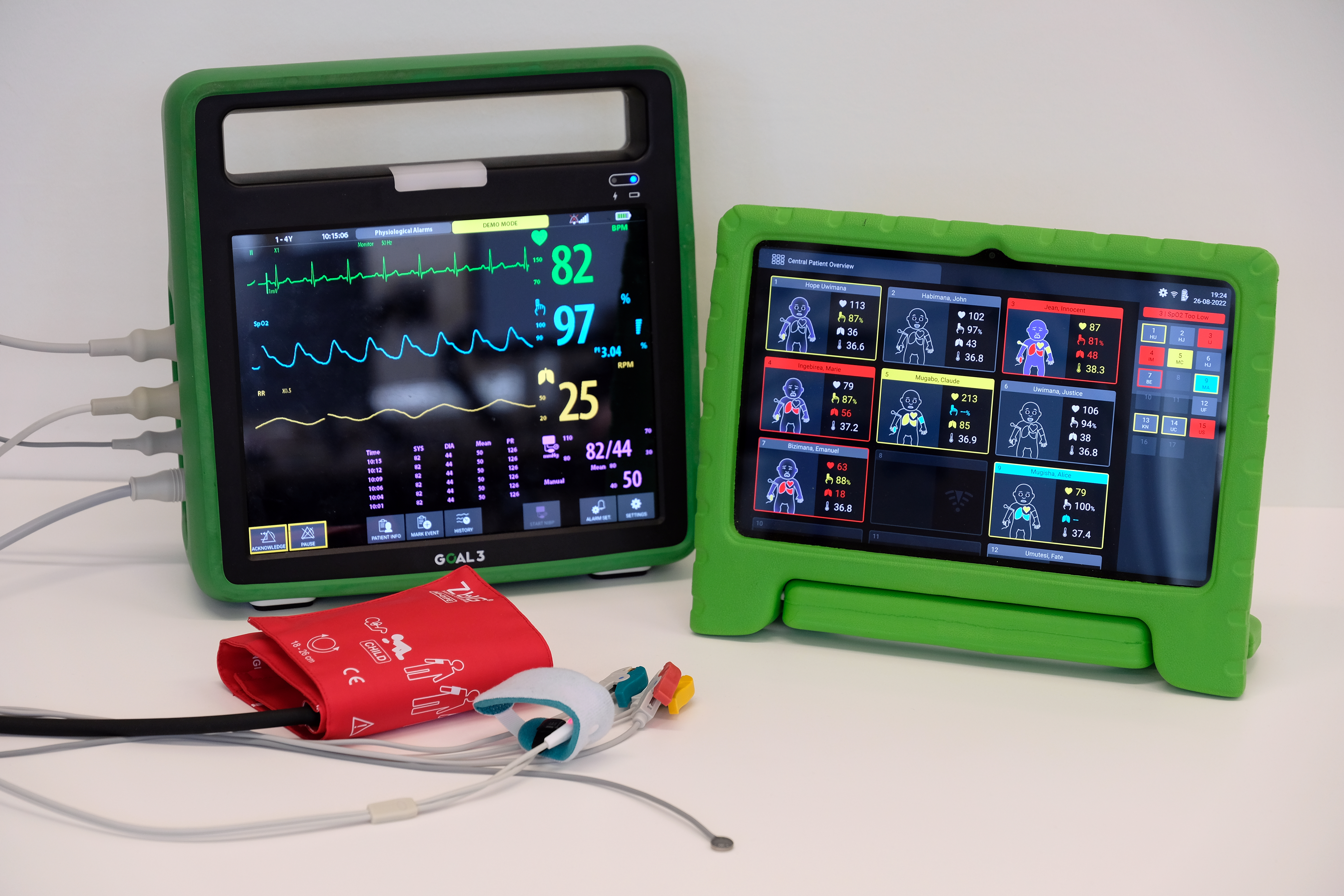
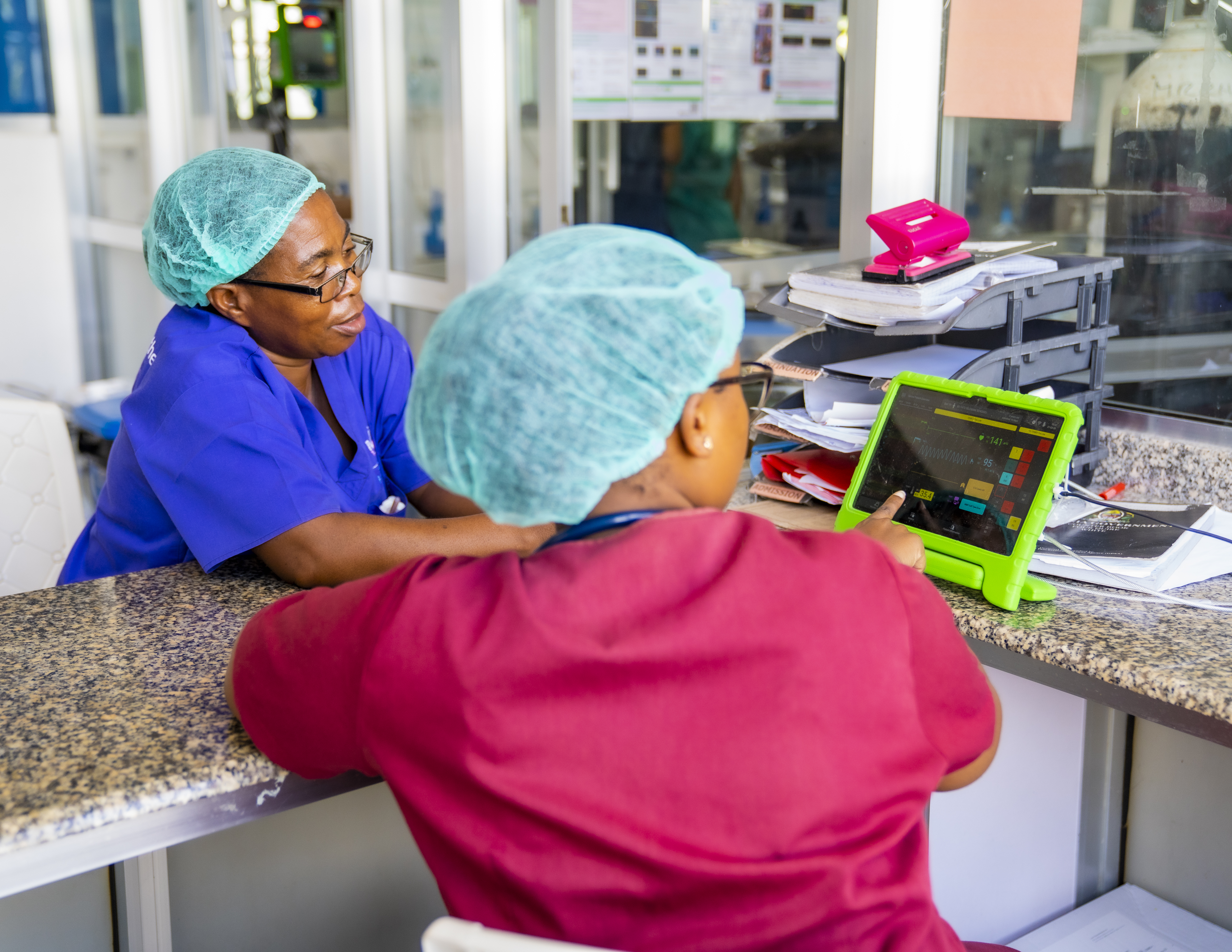
A few hours later, while seated at the nurses’ station, an emergency alert appeared on the patient overview dashboard, the child’s heart rate was critically high, and oxygen saturation was dropping despite being on oxygen therapy.
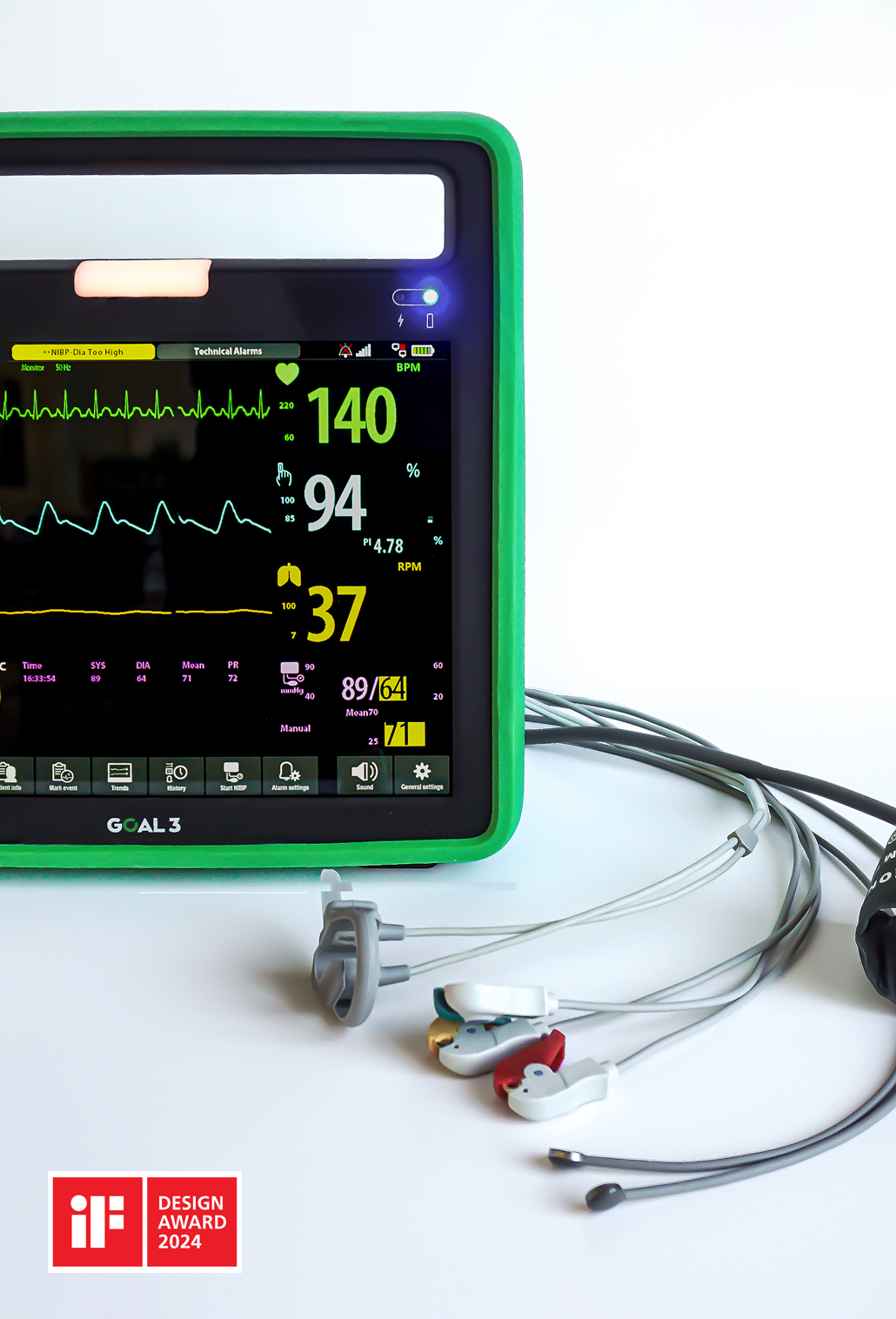
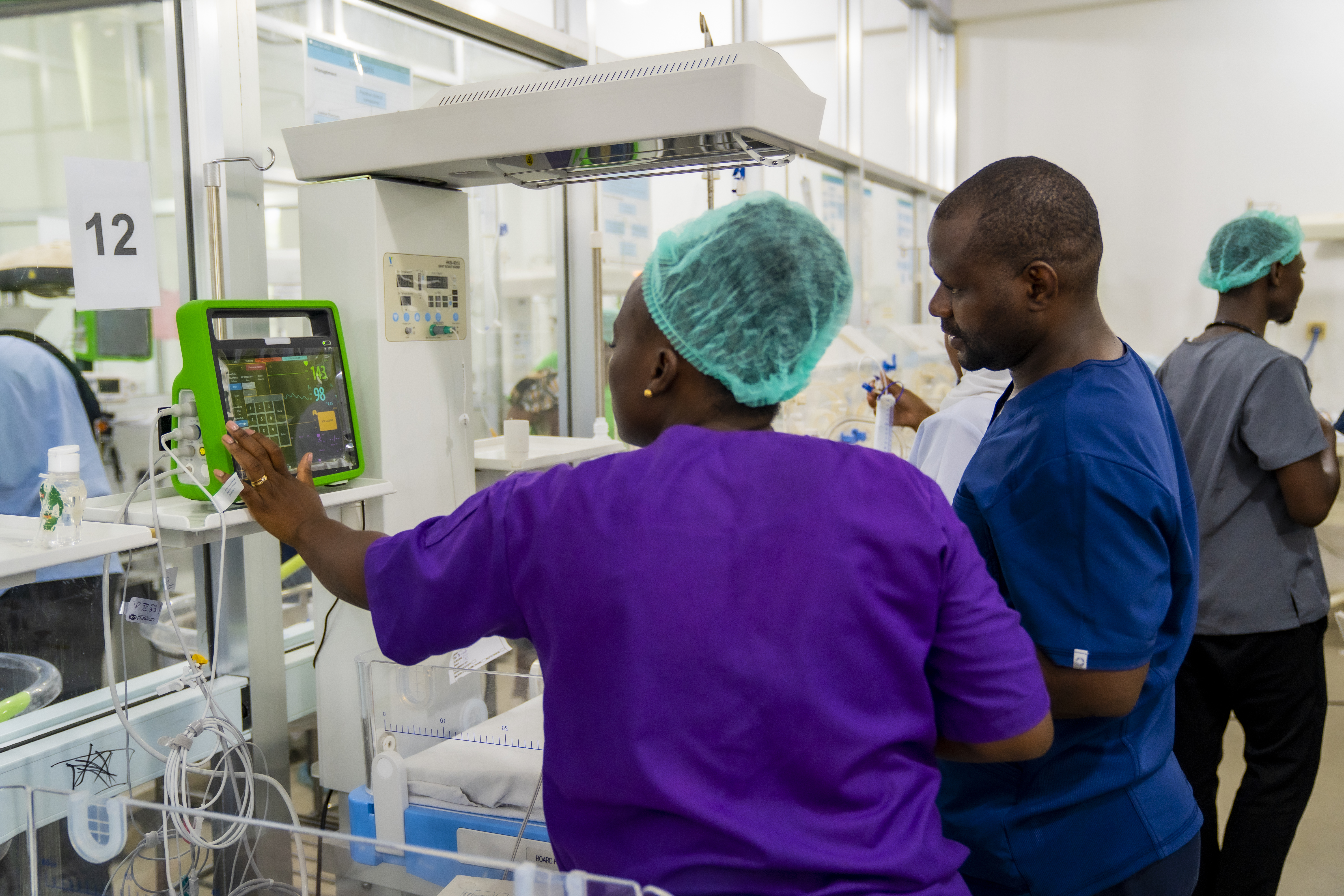
We immediately rushed to assess the child. On the monitor, both ECG and SpO₂ waveforms appeared normal, but the Perfusion Index was alarmingly low (0.1). This guided us to assess for shock and anemia. Our assessment confirmed both: the child was in shock and had a hemoglobin level of 5 g/dl.
A quick and life-saving decision was made to initiate blood transfusion. Shortly after transfusion, the heart rate began to stabilize, and oxygen saturation improved significantly. By the next day, the child was fully alert (BCS 5/5), the feeding tube was removed, and the patient was almost ready for discharge, just kept for another 24 hours of observation.
"Thanks to the IMPALA continuous monitoring system, we detected deterioration early and acted immediately, saving a young life that could have been lost without real-time alerts."